
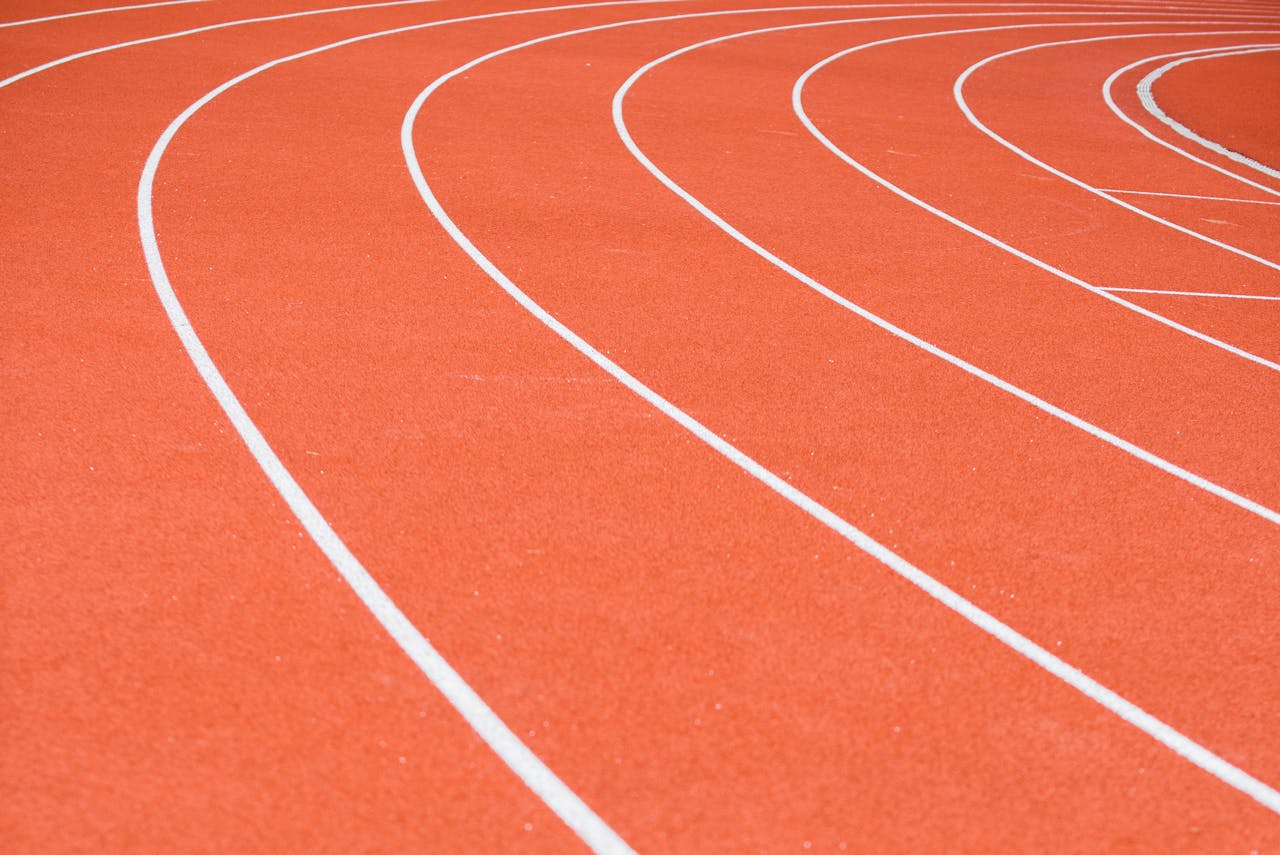
Running tracks are more than just athletic surfaces—they are engineered systems designed to ensure performance, safety, and longevity.
One of the most popular materials used in constructing running tracks is SBR granules (Styrene-Butadiene Rubber).
Known for their affordability, shock absorption, and durability, SBR granules are widely utilized across schools, universities, stadiums, and recreational parks.
Let’s explore the various aspects of SBR granules and their application in running track systems.
What Are SBR Granules?
SBR granules are derived from recycled rubber, primarily from used tires. The rubber is cleaned, processed, and shredded into uniform granules of various sizes. These granules are then used in multiple rubber flooring applications, including sports surfaces, playgrounds, and gym flooring.
Benefits of Using SBR Granules in Running Tracks
1. Shock Absorption
One of the key advantages of SBR granules is their excellent shock-absorbing capability. This reduces impact stress on athletes’ joints and muscles, making it ideal for running tracks that prioritize injury prevention.
2. Cost-Effective Solution
Compared to EPDM or PU systems, SBR is more affordable while still providing a high-performance surface. It is especially popular in community or school projects with budget constraints.
3. Sustainability
Using recycled tyres for SBR granules reduces landfill waste and promotes eco-conscious construction practices. Many institutions opt for SBR-based tracks as part of their green initiatives.
4. Customizable Thickness
The thickness of the SBR layer can be adjusted based on the level of shock absorption required. This allows tailored solutions for amateur, semi-professional, or professional level tracks.
Typical Construction of a Running Track Using SBR
A standard running track system using SBR typically includes:
- Base Layer: Concrete or asphalt sub-base.
- SBR Granule Layer: Mixed with polyurethane binder and troweled evenly across the surface.
- Top Coating (Optional): In many systems, a colored EPDM granule or polyurethane spray layer is added for UV resistance and aesthetic appeal.
SBR vs EPDM: What’s the Difference?
While both materials are used in track systems, there are key differences:
| Feature | SBR Granules | EPDM Granules |
|---|---|---|
| Cost | More affordable | More expensive |
| UV Resistance | Lower, may require top coating | High, naturally UV resistant |
| Color Options | Limited (usually black) | Wide variety of vibrant colors |
| Durability | Suitable for medium wear areas | High durability for heavy use |
For facilities that do not require heavy-duty usage or vibrant aesthetics, SBR is a highly practical and economical choice.
Safety and Compliance Standards
Running tracks made from SBR granules comply with various safety standards related to:
- Slip resistance
- Shock absorption
- Toxicity (non-toxic binders and recycled rubber)
- Environmental safety
Proper installation by a certified rubber flooring specialist ensures that these standards are met or exceeded.
Maintenance and Longevity
SBR running tracks are relatively low-maintenance but should be:
- Cleaned regularly to prevent debris buildup
- Inspected for wear and tear
- Resealed or recoated periodically if a polyurethane top layer is used
With proper care, an SBR-based running track can last 5–10 years, depending on usage.
Ideal Applications for SBR-Based Running Tracks
- School tracks
- Community sports complexes
- Training grounds
- Multi-purpose athletic fields
FAQs
What is running track flooring and why is it important?
What materials are commonly used in running track surfaces?
What’s the difference between SBR and EPDM in running tracks?
How is a running track flooring system constructed?
– A solid concrete or asphalt base.
– An SBR granule base layer mixed with a binder for shock absorption.
– (Often) an EPDM top layer or coloured finish for durability, aesthetics, and weather resistance.
Can running track flooring be customised to specific colours or designs?
Is the track surface suitable for outdoor use in Malaysia’s climate?
How long does running track flooring last?
What maintenance does a running track require?
– Cleaning debris and dirt off the surface.
– Inspecting for wear, de-bonding, or damage.
– Recoating or resealing top layers periodically.
These steps help sustain performance and safety over time.
Why Choose ACCT Global?
If you’re considering installing a running track or artificial grass, it’s important to work with an experienced specialist to ensure long-lasting results. ACCT Global is a trusted name in rubber flooring solutions in Malaysia, offering high-quality SBR track systems tailored to your needs.
Whether it’s a school project or a municipal sports complex, ACCT Global provides:
- Expert consultation
- Professional installation
- Durable materials
- Competitive pricing
🏃♂️ Ready to Build a Safer, More Affordable Running Track?
Contact ACCT Global today for a free consultation and discover how SBR granule systems can meet your athletic surface needs.
📞 Phone: 0149134272
📧 Email: [email protected]
Let ACCT Global be your partner in creating high-performance, cost-effective running tracks in Malaysia!

Leave a Reply